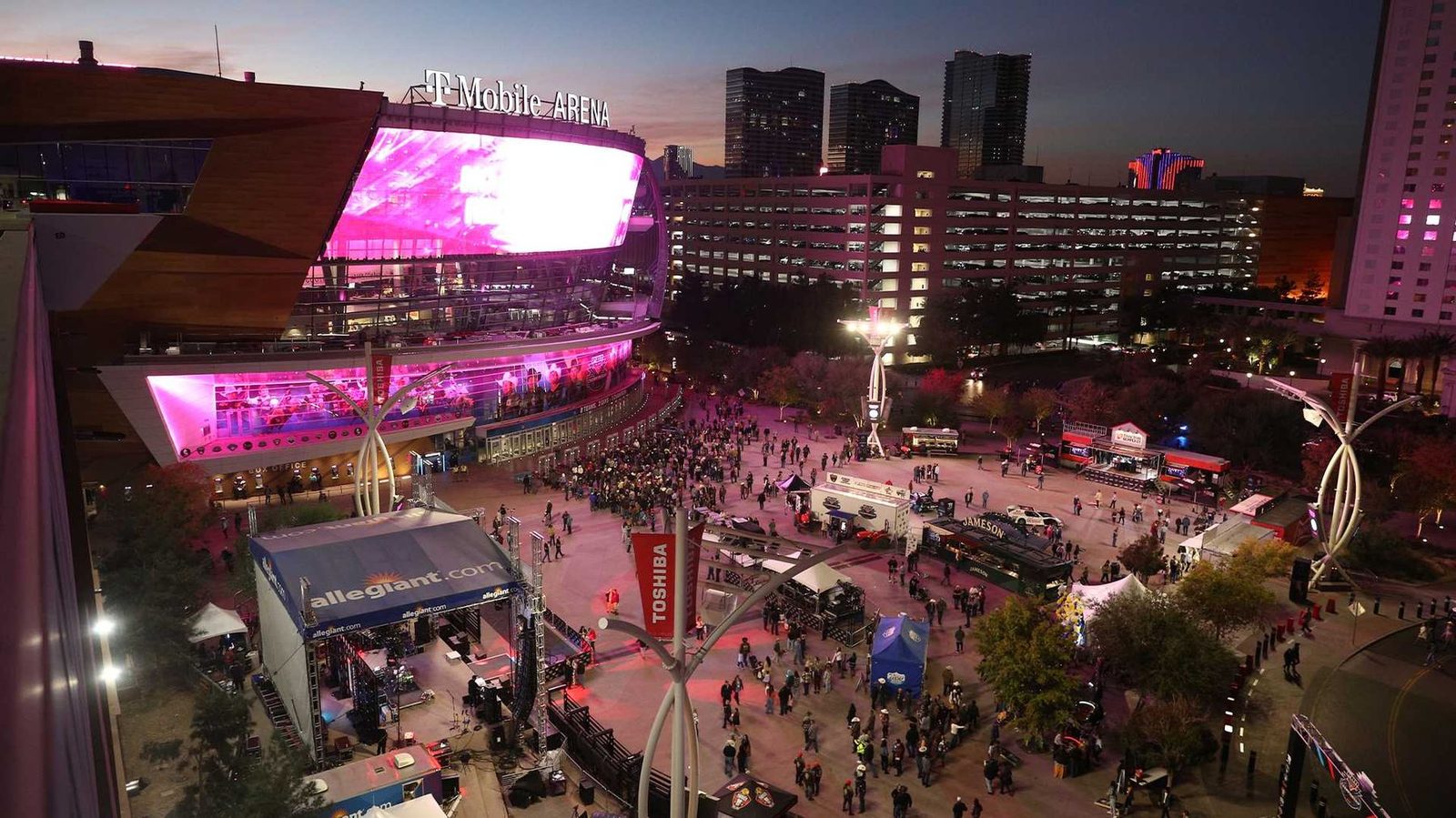
Joined T-Mobile Arena six months before opening, before the naming rights partner had even been announced. Served as the primary point of contact through the full brand integration: exterior LED and rooftop signage, Plaza, lobby, concourses, wayfinding, suite level, court and ice, and every event-facing surface in the building. No template, no existing team, no playbook. And all of it inside a joint venture between AEG Global Partnerships and MGM Resorts International: every brand decision had to align two global parent companies, a national naming partner, and a rotating cast of incoming promoters and their sponsors.
Venue Launch & Naming Rights
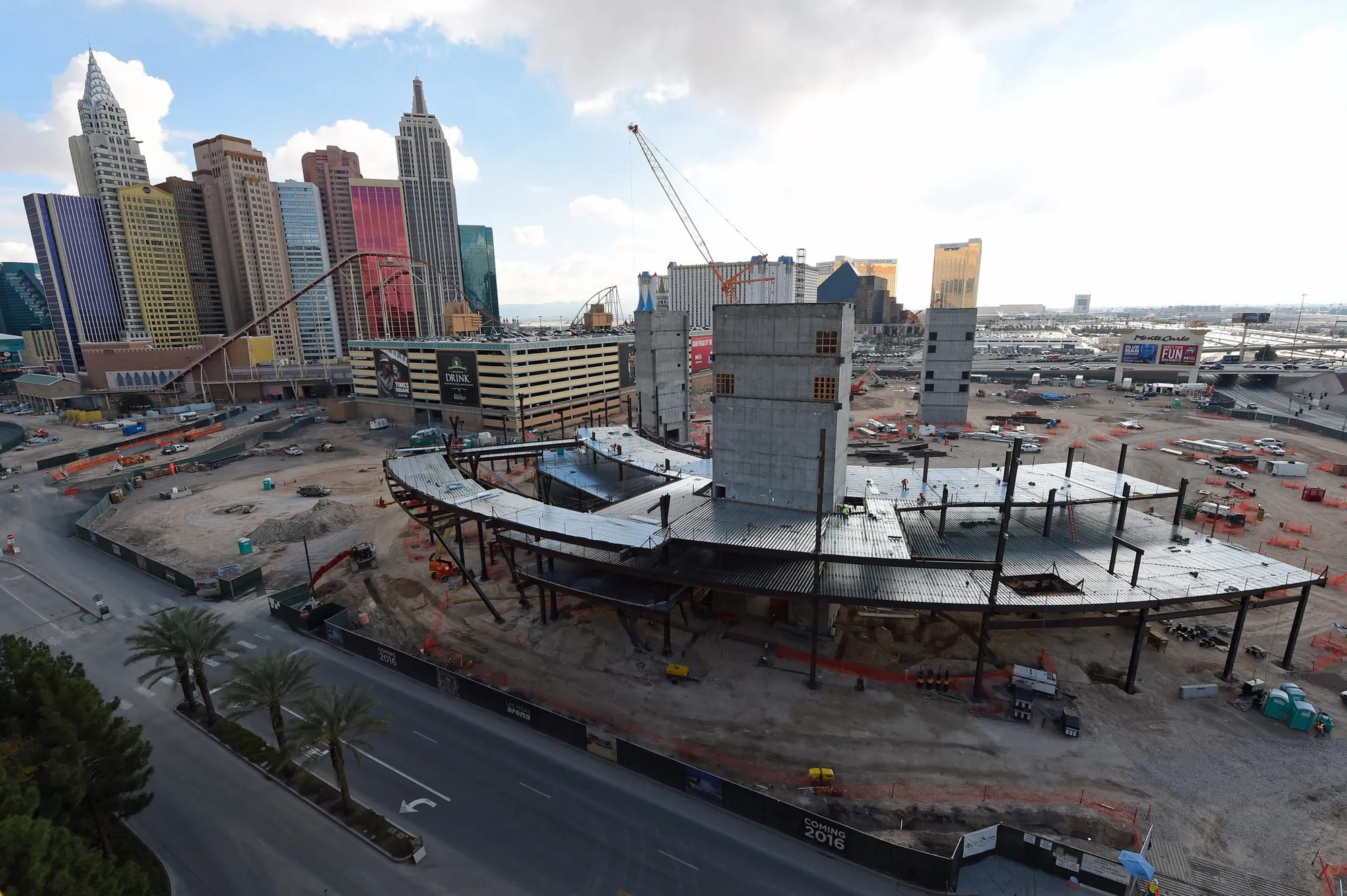
Led the transition from Las Vegas Arena to T-Mobile Arena, including the full rebrand once the naming rights partnership was announced. This was the second time in a career leading exactly this kind of transition (Bridgeview Stadium to Toyota Park, 2006), a track record of taking a venue through a live naming-rights conversion without disrupting operations or events.
Built and operationalized a brand-led experience framework from the ground up, translating positioning into consistent guest journeys across live, digital, and physical environments, a model later adopted across MGM’s broader entertainment venue portfolio.
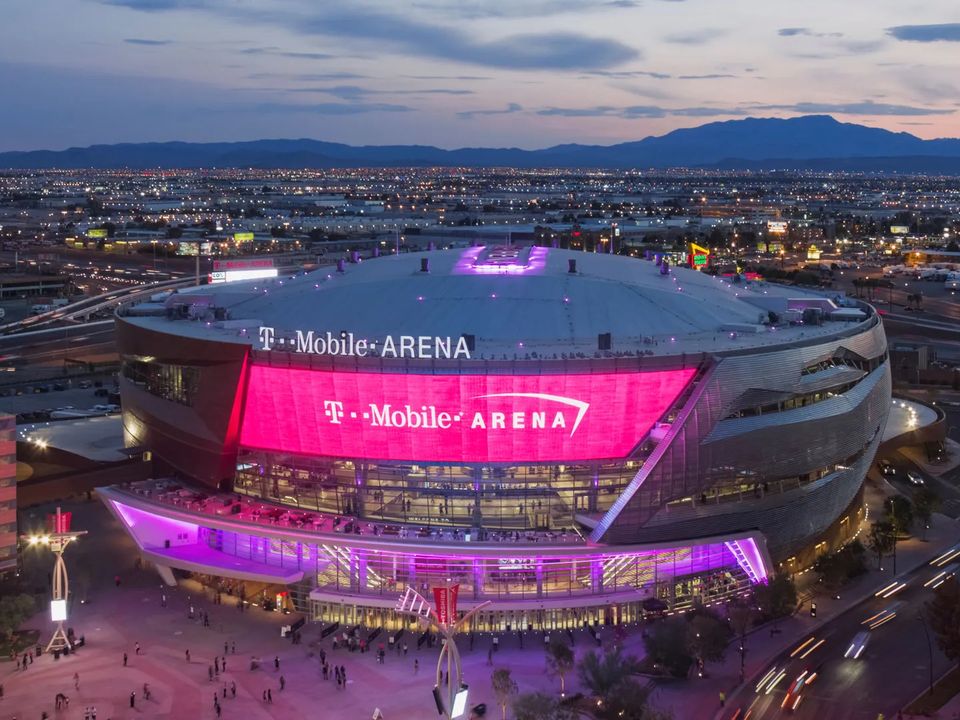
Building the Playbook at MGM Grand Garden Arena
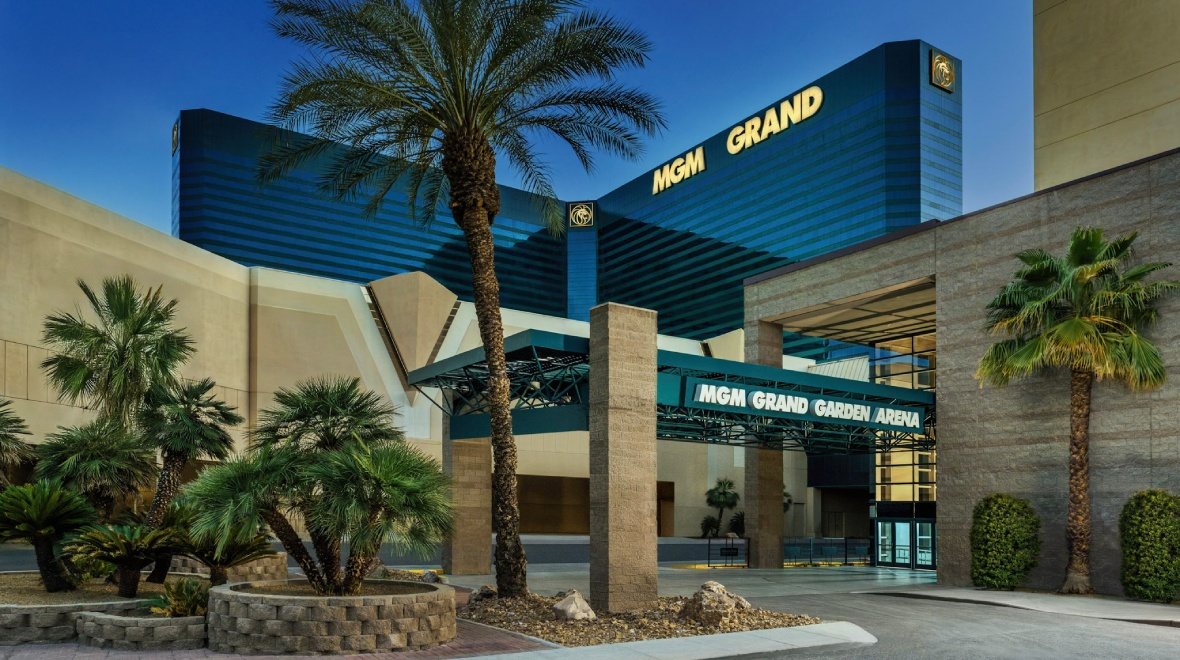
Next door, the assignment was different only in age. MGM Grand Garden Arena had more than two decades of marquee events behind it and no standardized system for sponsorship, in-venue marketing, or activation. Built that playbook from the ground up, adapting the framework proven at T-Mobile Arena to a building with its own history, tenants, and promoter relationships, working within MGM Resorts International, which holds marketing responsibility for the venue. MGM later extended the model across other enterprise properties in the portfolio.
Architecting the In-Venue Signage Program
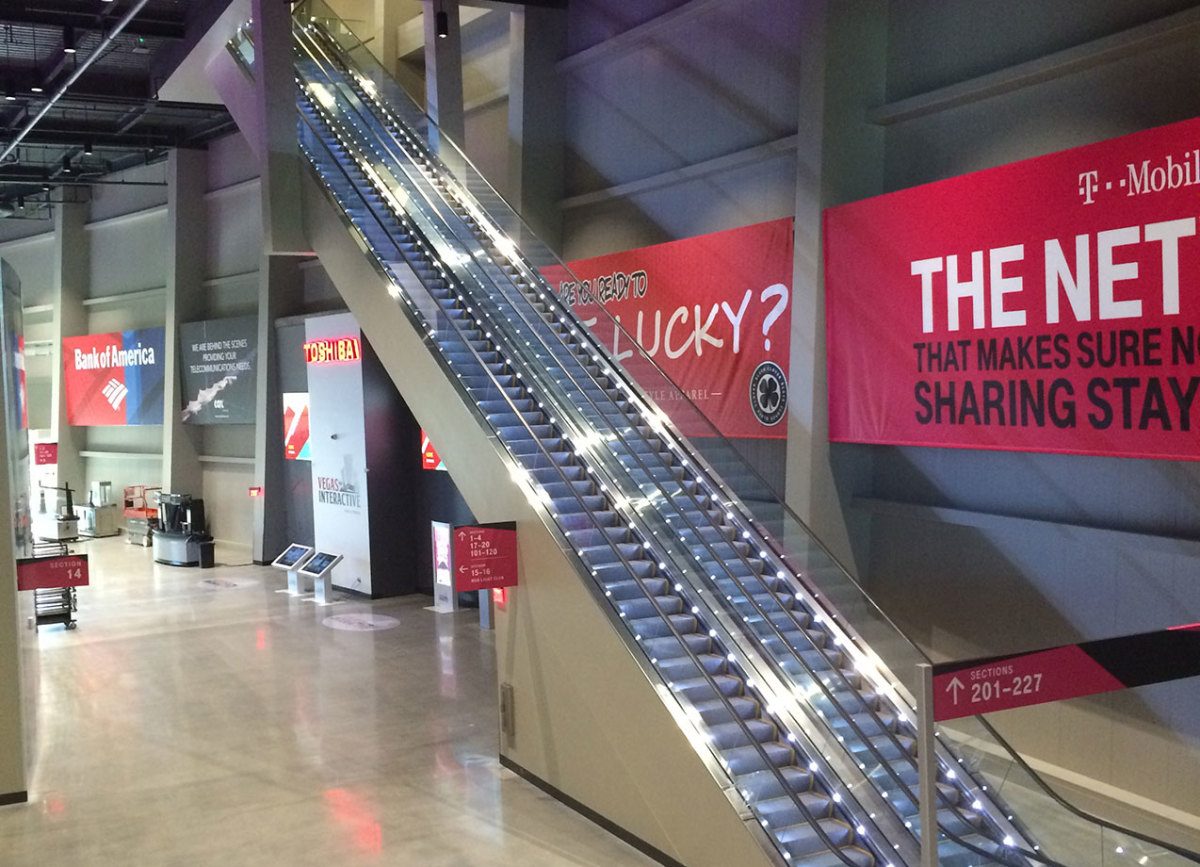
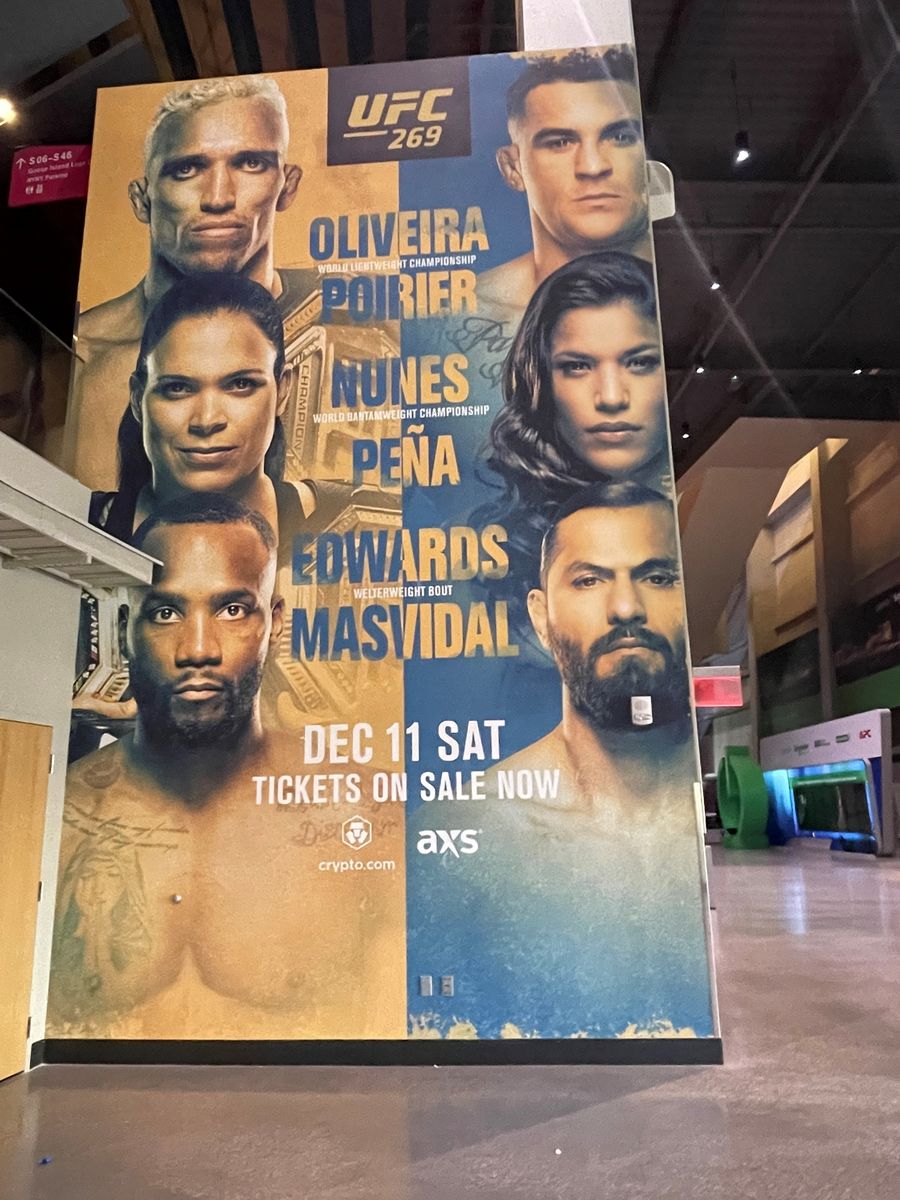
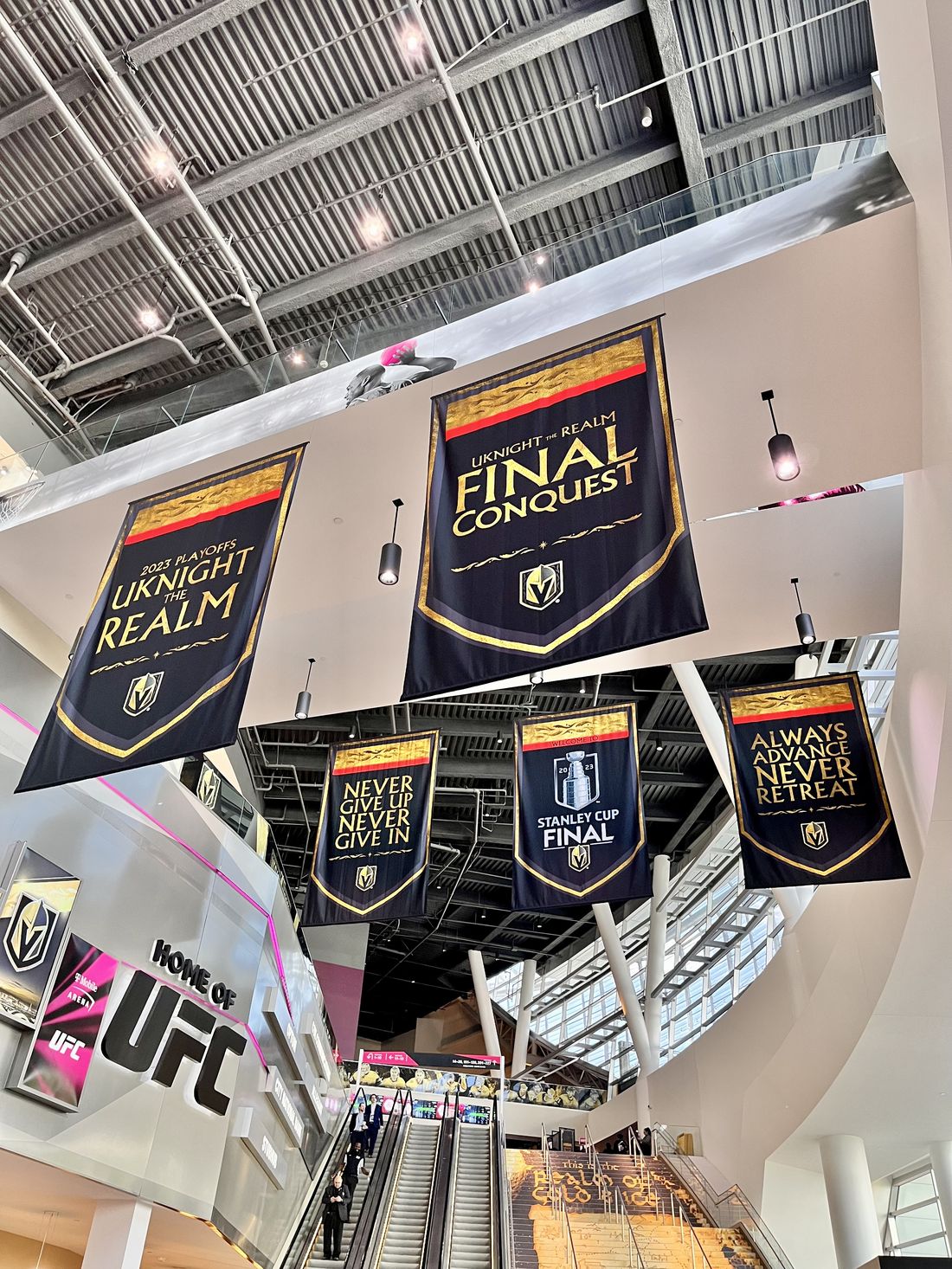
The building opened with hundreds of branded surfaces and no map of who owned them. Built the in-venue signage strategy that defined the architecture: which physical and digital assets belonged to venue partners, which belonged to tenants, which carried marketing for upcoming events, and which were designated event-specific inventory available to incoming promoters and their sponsors.
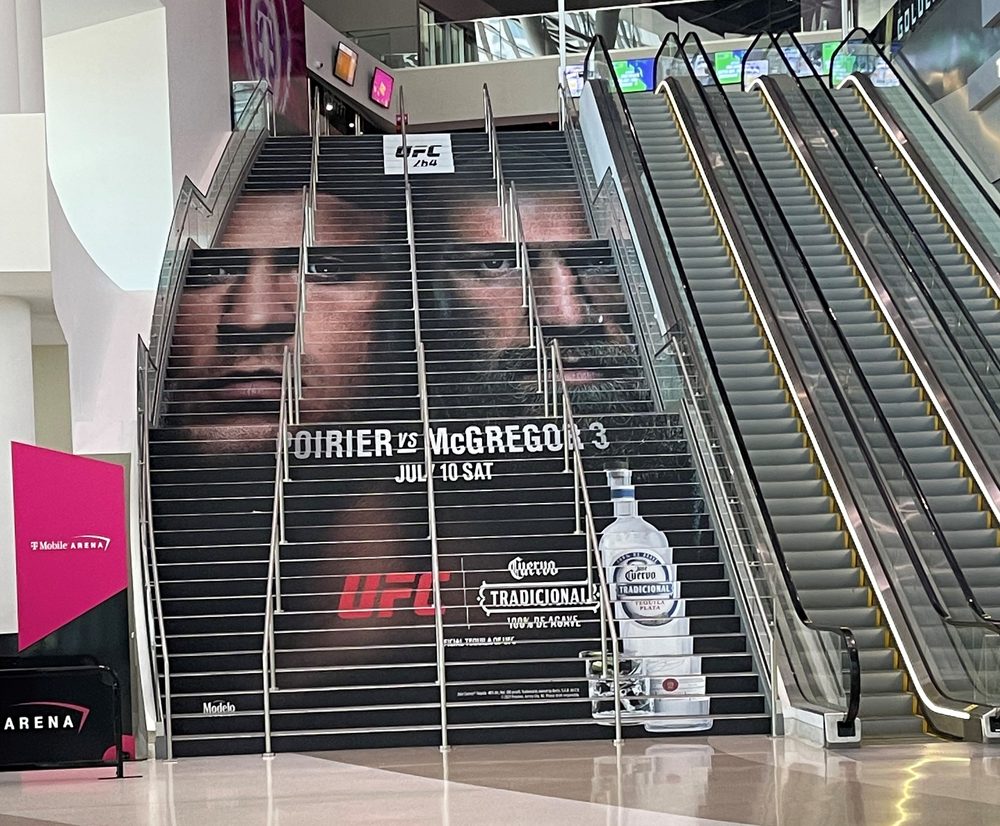
Classifying every surface in advance is what allowed competing brands to appear in the same building without a contract breaking. On fight night, the lobby stairs became a UFC 264 takeover carrying Cuervo Tradicional, the event’s tequila partner. During Pac-12 tournament week, the exterior windows carried conference branding. Tecate activated in the arena as a beer brand arriving with its event, alongside the venue’s own beverage partnerships. None of it was improvised, and none of it required a renegotiation.
Signage & Sponsorship Revenue
The arena’s revenue opportunity was hiding in a contractual gray zone. Venue sponsors held category exclusivities; the world-class events filling the calendar arrived with presenting sponsors of their own; and no policy, process, or owner existed for the collisions between them. Sitting at the intersection of partnerships and marketing, took ownership of the problem and built the framework that resolved it.
Working with legal and arena leadership, developed formal partner activation guidelines covering signage, sampling, activations, and venue locations, then aligned legal, operations, production, venue management, and executive stakeholders at both parent companies behind them. The reframe that made it work: instead of defining what event sponsors couldn’t do, the guidelines defined what they could do here that no other venue offered.
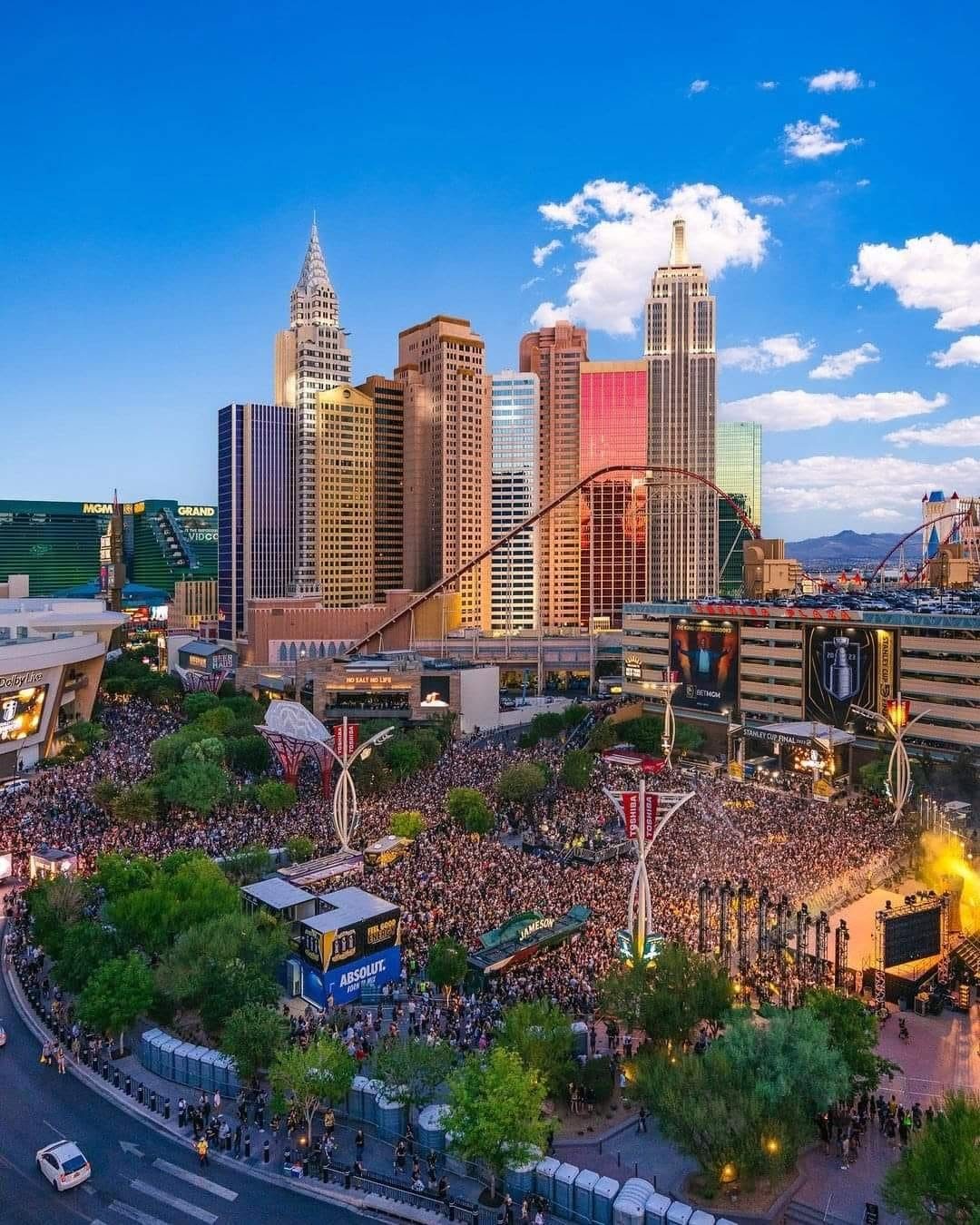
The commercial unlock came from the same close reading. The standard arena rental covered the bowl; everything beyond that baseline on Toshiba Plaza was unmonetized inventory. Built a tiered activation fee structure that scaled with production complexity, turning the plaza into both a booking differentiator and a revenue stream the arena had never captured. The program generated $750K in net-new revenue within two years, and the guidelines became the standard across MGM’s entertainment venue portfolio, where they remain in use today.
Served as the enterprise brand steward for a $30M+ partner portfolio, making the call on how every partner brand was expressed across signage, digital, social, live environments, and promotional platforms.
Total revenue running through the department annually, inclusive of existing sales contracts, reached $50M — a separate figure from the net-new activation program above, reflecting the full scope of the department’s commercial footprint rather than a single initiative.
Anatomy of a Deal
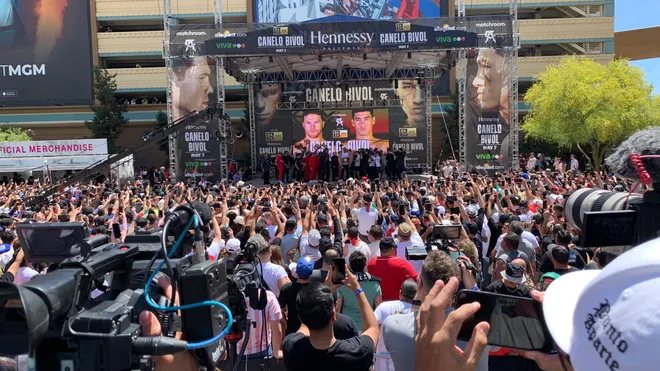
When Canelo vs. Bivol wanted to take over Allegiant Stage for its partners during a televised weigh-in, the easy answer was no: the stage was a contracted partner asset, and the broadcast placement had real media value. Instead, a three-part arrangement made everyone whole. The promoter provided VIP hospitality for Allegiant’s leadership, covered restoration of the stage signage, and kept the Allegiant logo on the stage alongside its own sponsors throughout the broadcast. The partner gained value, the event got its activation, and the arena earned a facilitation fee. Everyone had a reason to say yes.
Toshiba Plaza: Sponsor Activation at Scale
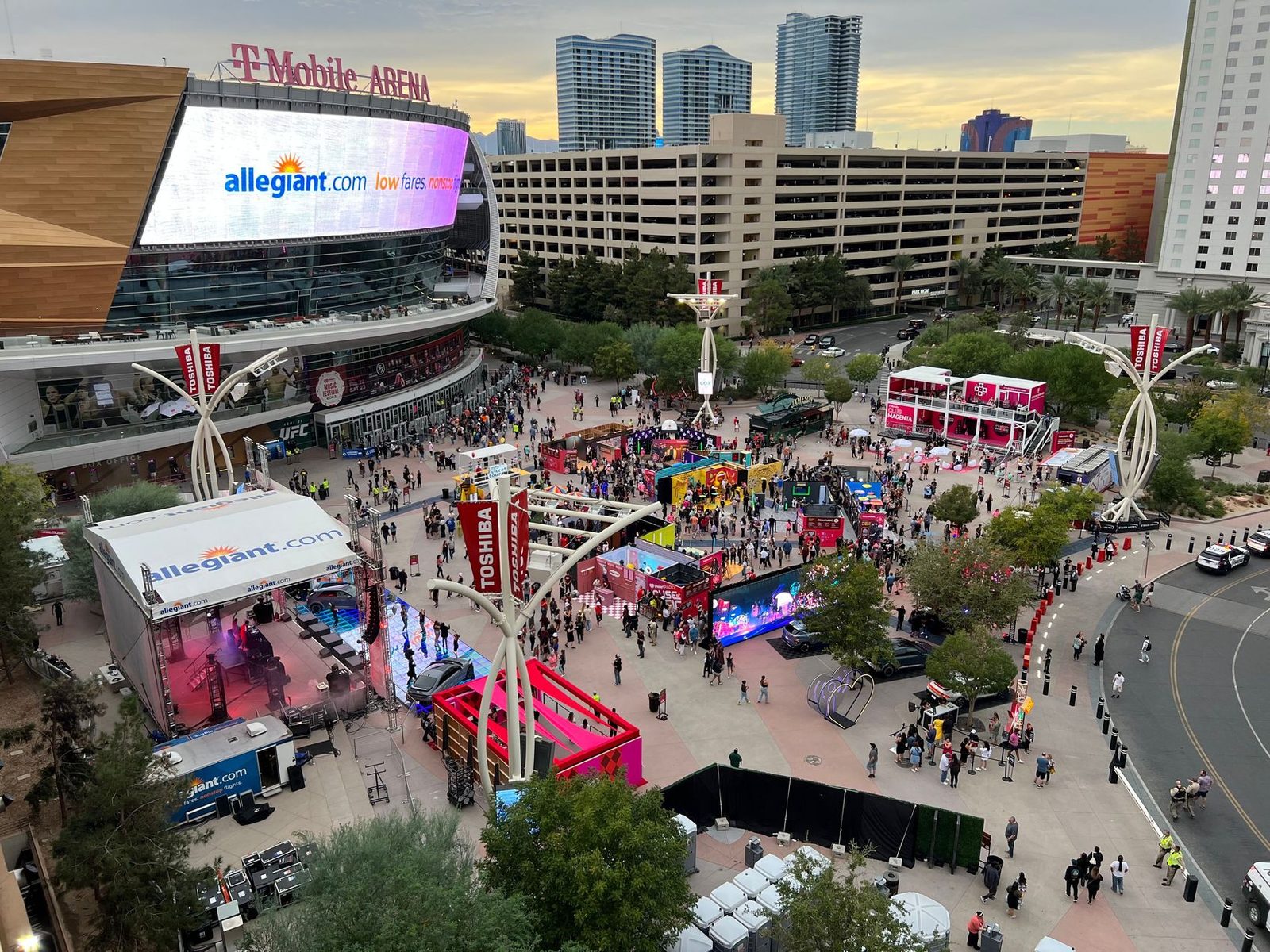
Built the brand activation program for Toshiba Plaza, the arena’s 2-acre outdoor activation campus, from the ground up, transforming an empty concrete plaza into an energetic fan engagement zone with the capacity to host 20+ immersive brand activations, and establishing it as the premier pre-event destination for the Vegas Golden Knights, UFC, and major Strip events.
When the iHeartRadio Music Festival moved to T-Mobile Arena in 2017, no dedicated owner existed for the plaza and its activations. Took end-to-end ownership of the space, from early planning and partner onboarding through load-in, event-day operations, and post-event settlement. Year one was deliberately observational: shadowing the festival’s team and production company to learn what events actually needed before building anything around them. The standardized activation brief that came out of that year became the operational backbone for every plaza program that followed, across UFC, boxing, PBR, and the festival itself, including keeping a first-year international fan fest running safely through a Las Vegas heat wave. On major event days, plaza programming drove five-figure lifts in food, beverage, and merchandise.
By 2023, the program had grown into iHeartMedia’s House of Music, a mixed-reality activation for the iHeartRadio Music Festival featuring national sponsors including T-Mobile, Bose, Hyundai, Audible, and Moderna, staged as a free public event with its own marketing and media budget. iHeartMedia press release →
“Christi is a client’s dream — professional, effective, knowledgeable and a great person to be around. I never worry about the job getting done to the highest level when it’s in Christi’s care.”
Partner Marketing & Channel Activation
Built and ran the partner marketing function across T-Mobile Arena and MGM Grand Garden Arena, spanning custom co-marketing campaigns, VIP hospitality programs, database activation, event integration, and performance measurement across the full partnership portfolio, including the George Strait residency at TMA.
Digital Transformation
Built the arena’s digital platform (website, mobile app, in-venue digital signage) from nothing, powered by T-Mobile’s 5G connectivity rollout — there was no prior system to iterate on.
Spearheaded the integration of TMA events into T-Mobile Tuesdays, the framework that opened venue programming to millions of T-Mobile customers through recurring ticket promotions. The capability extended to technology partners with enterprise relationships across the AEG portfolio, including Cisco, AXS, and Shift4, where co-activation ran across their platforms and customer channels rather than traditional sponsor fulfillment.
“I’ve had the privilege of working with Christi several times over the past two decades. Her dogged approach to problem-solving and commitment to innovation makes her a standout in our industry.”