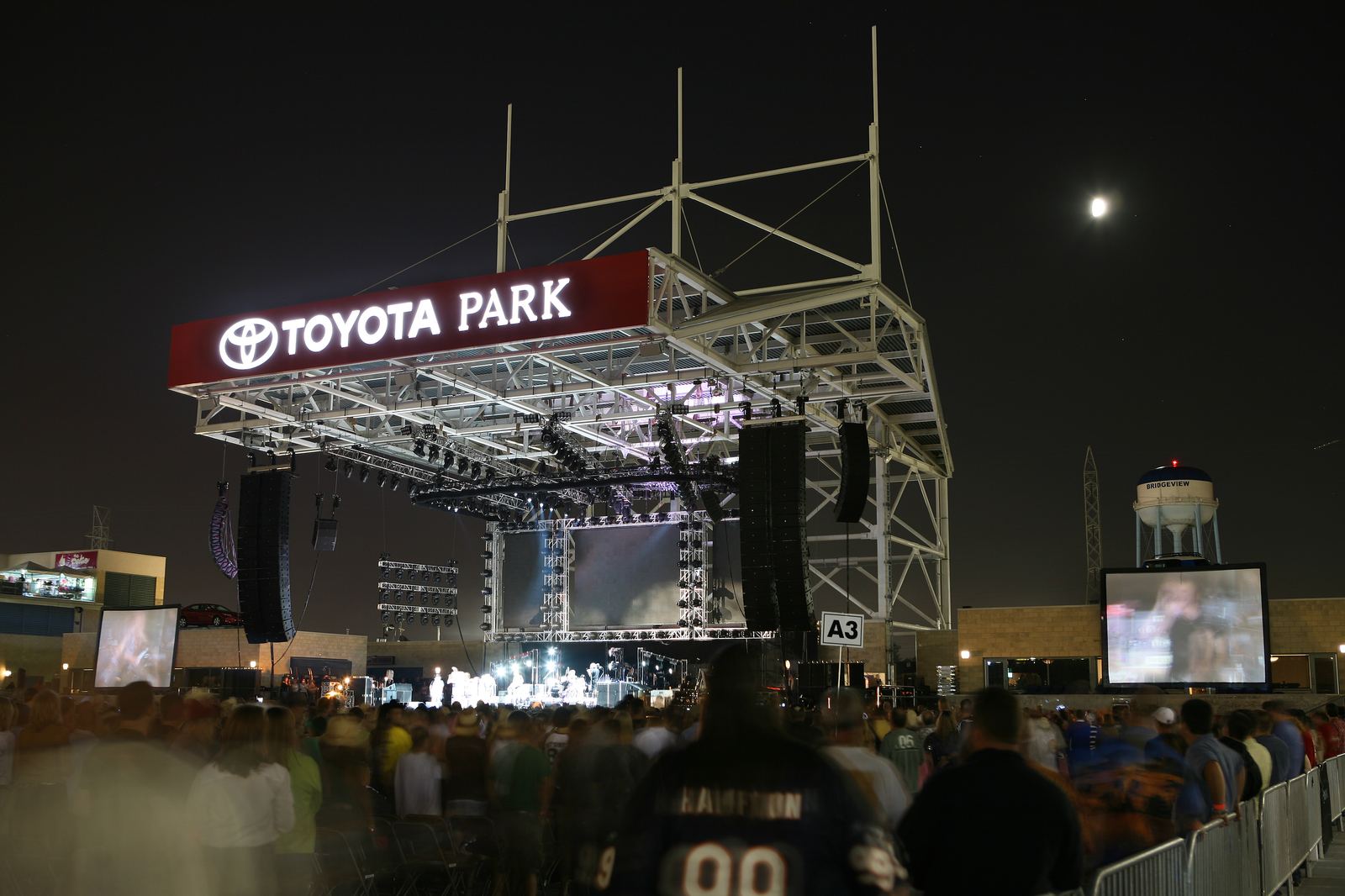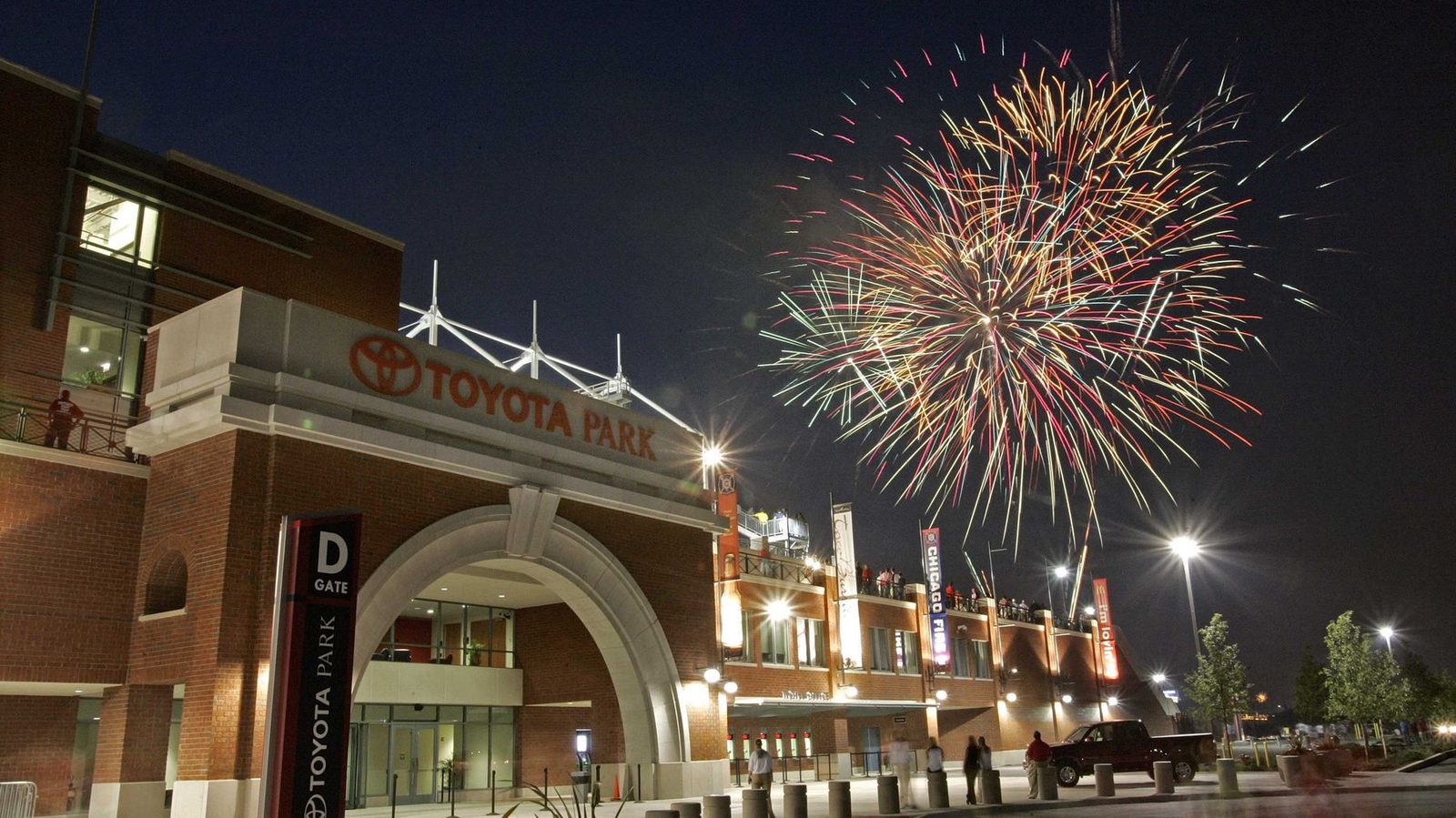
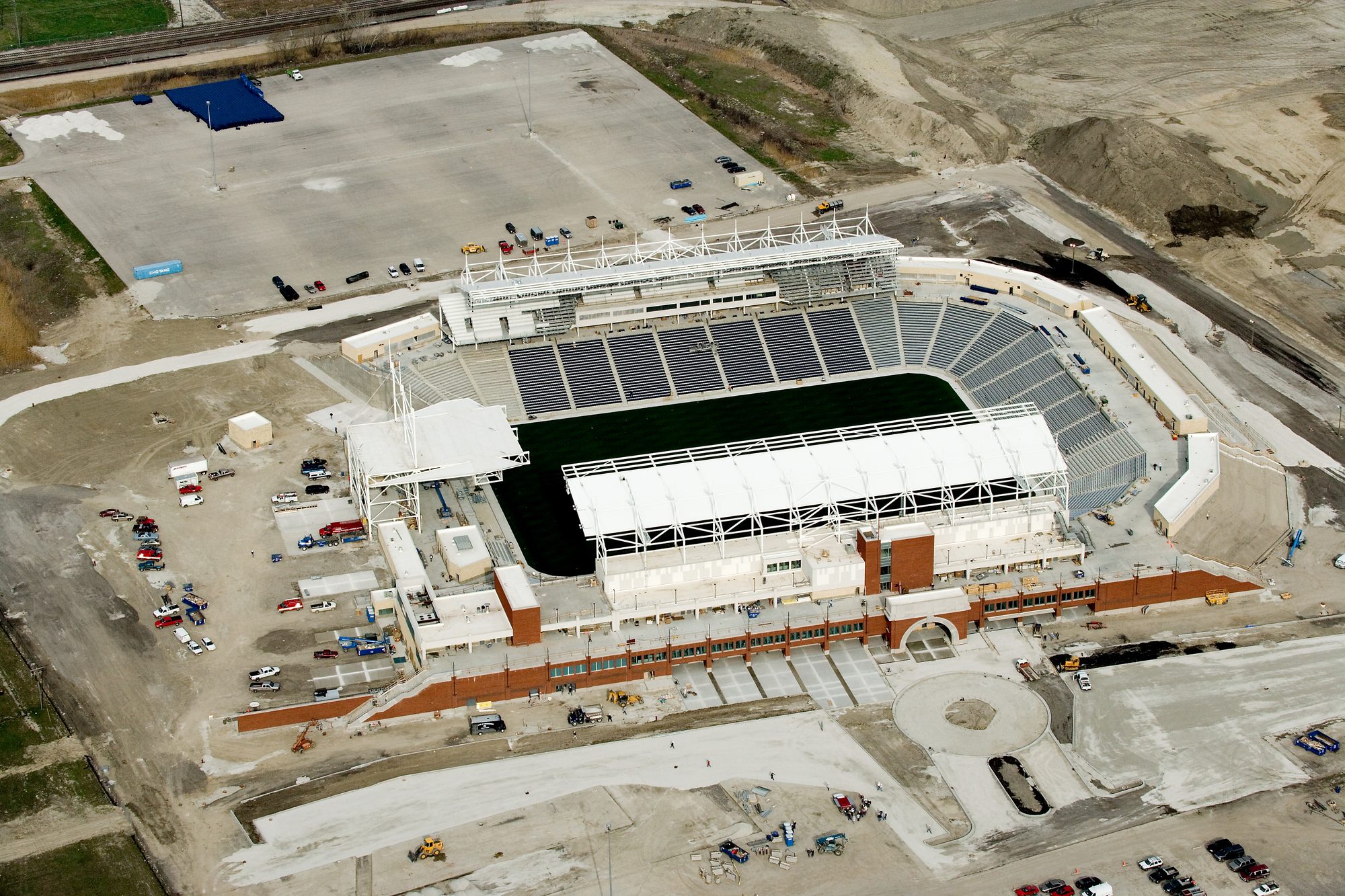
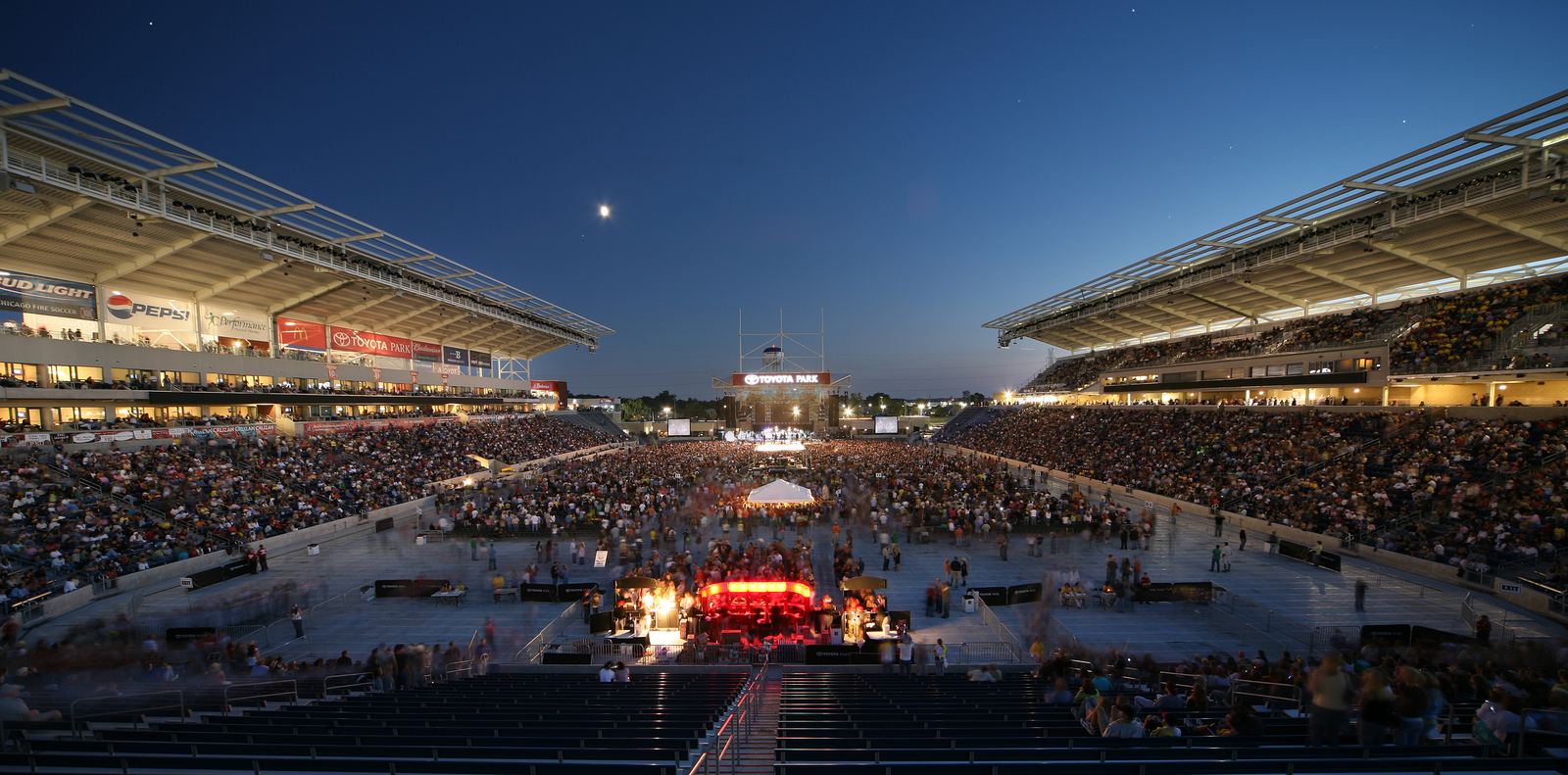
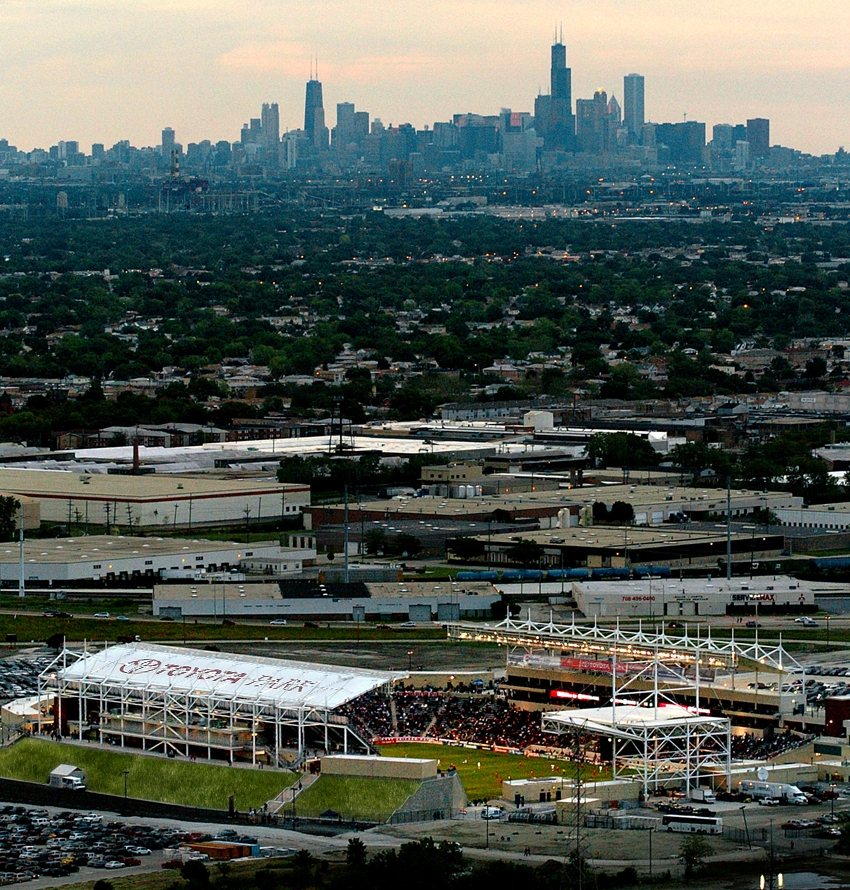
Joined six months before the opening of a new 28,000-seat outdoor stadium in Bridgeview, Illinois, home to MLS’s Chicago Fire, built the venue’s first marketing department from scratch, and led the naming-rights rebrand that turned Bridgeview Stadium into Toyota Park. This was the first of two naming-rights transitions led across a career, the second being T-Mobile Arena nearly a decade later.
The context made the assignment harder than it sounds. The stadium was owned outright by the Village of Bridgeview, wrapping municipal oversight and approval cycles around commercial decisions. There was no direct rail access at the gates, no surrounding restaurant district to borrow pre-event energy from, no promoter track record for a brand-new building, and a Chicago weather window that compressed the full-stadium calendar to roughly April through October. Every ounce of pre-event atmosphere had to be generated on site, and every system had to be invented before it could be used.
Naming Rights & Venue Launch
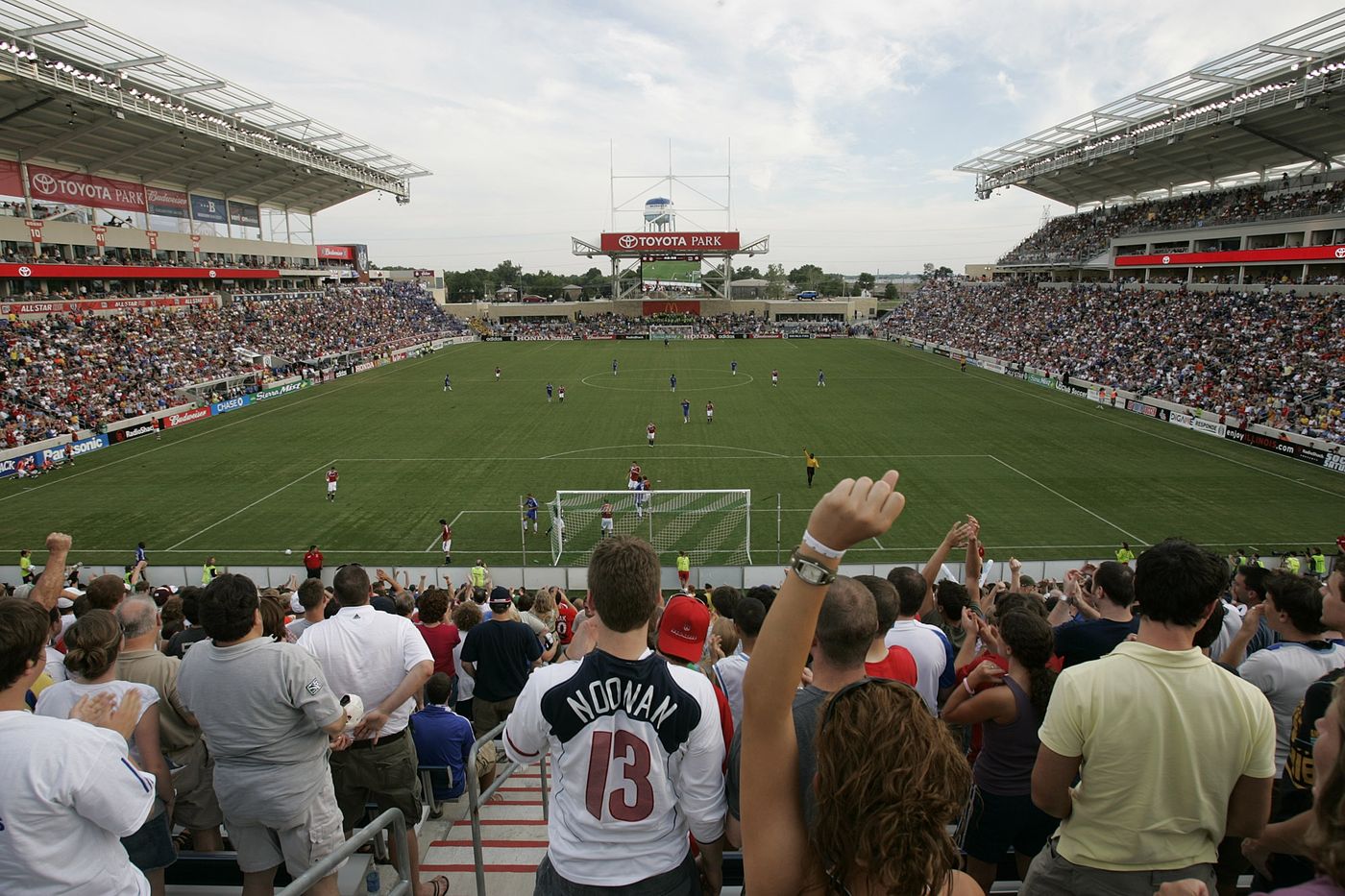
In June 2006, AEG and Toyota announced a 10-year naming rights agreement for the new stadium, timed to a grand opening weekend built around two very different audiences: the Pepsi B96 SummerBash concert festival (Bow Wow, Chris Brown, Mary J. Blige, Ne-Yo, Pink, Rihanna, Sean Paul) on the stadium’s 7,200-square-foot stage, followed less than 24 hours later by the Chicago Fire’s inaugural match against the New York Red Bulls in front of a standing-room crowd of 20,000+.
Led the transition of Bridgeview Stadium to Toyota Park, including the full rebrand, and negotiated IP rights for the venue’s broadcast and pay-per-view events.
Building a Marketing Department From Zero
Created and organized Toyota Park’s first stadium-specific marketing department, including department SOPs and best practices for marketing contracts, and led the agency selection and RFP process. Created consumer and trade marketing and branding strategy for the venue, including collateral development, digital media asset creation, advertising campaigns, and local media buying, maximizing budget by securing trade and no-cost promotions across radio, television, print, and outdoor media.
Brand System
Developed the venue’s complete visual identity system covering signage, wayfinding, and fan-facing collateral, applied consistently across the stadium’s static and digital surfaces and formalized into a style guide that outlived the initial launch.
The creative challenge ran in two directions at once. Inside the building, the brand had to feel like a stadium with a personality of its own while operating within the constraints of a conservative legacy automotive marque, honoring Toyota’s standards without letting the venue become a car ad. Outside it, the brand had to fight for attention in crowded live-entertainment trade publications, where stadium advertising starts to look alike; the venue’s campaigns were built to be unmistakable on pages full of competitors.